We offer regularly scheduled fire protection and kitchen exhaust inspections per NFPA standards.
We maintenance your kitchen exhaust fan and components to maintain daily operations.
Our team is experienced in kitchen hood, exhaust, and commercial oven cleaning.
Aim Hood Cleaning is a reputable kitchen hood and exhaust cleaning company in Phoenix, AZ. We comply with the National Fire Protection Association (NFPA) and have relevant certifications that comply with local fire codes and regulations.
Our technicians hold certifications in kitchen exhaust cleaning , demonstrating proficiency in the latest technologies and methods.
Additionally, our company has a proven track record of experience in commercial projects and positive customer testimonials that reflect our reliability and professionalism.
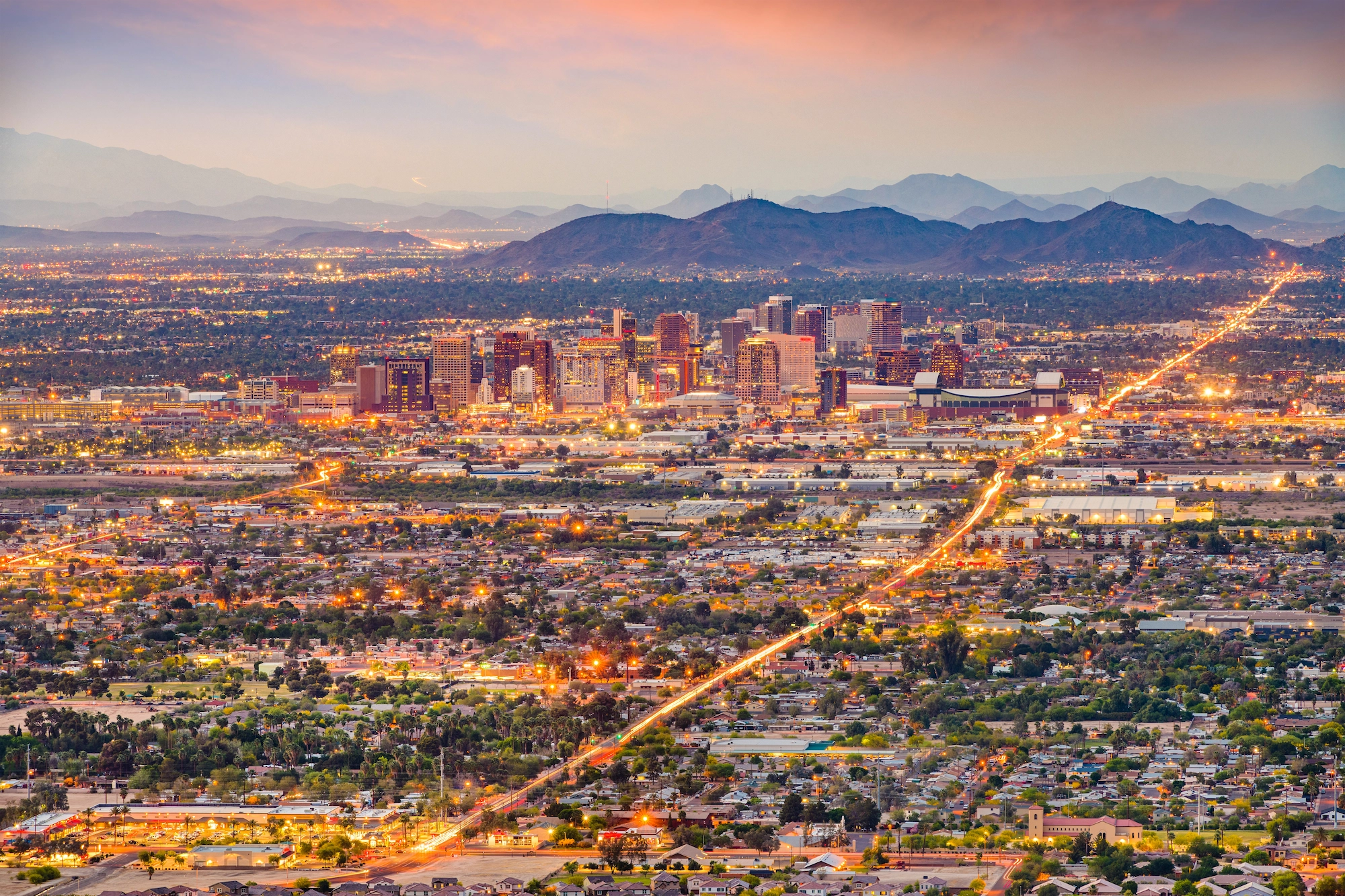
When running a restaurant, keeping your kitchen clean goes beyond just a quick wipe-down at the end of the day; it’s about ensuring safety and compliance with health regulations. That's where professional hood cleaning services come into play.
If you're a restaurant owner in Phoenix, or even thinking about starting one, understanding the importance of regular kitchen exhaust cleaning is crucial. Not only does it help prevent hazardous fires caused by grease buildup, but it also supports a hygienic cooking environment that keeps both your staff and customers safe.
At Aim Hood Cleaning, you can expect comprehensive kitchen exhaust cleaning services that ensure the removal of grease, smoke, and odors to maintain a safe cooking environment. Our services also include hood cleaning, inspections, and maintenance to protect your business from fire hazards effectively.
Regular hood cleaning isn't just about maintaining a tidy kitchen; it's an essential component of fire safety and overall health. When you cook, grease naturally accumulates in the kitchen hoods and ducts. Over time, this grease can become a serious fire hazard, essentially acting as kindling if exposed to high heat or flames. Establishing a routine cleaning schedule is crucial—it's not merely a precaution but a proactive step towards safeguarding your business and employees.
"A clean kitchen is a safe kitchen." This mantra highlights how essential hood cleaning is for creating a safe environment, which includes addressing all elements of the ventilation system to ensure comprehensive protection.
Many restaurant owners may not realize that neglecting hood maintenance can lead to catastrophic consequences. According to the Phoenix Fire Department, many kitchen fires could be easily prevented with consistent hood cleaning services. Regularly scheduled maintenance acts like a protective barrier against risky situations, ensuring that grease does not build up to dangerous levels within your cooking system.
Beyond safety concerns, there's also a legal dimension regarding hood cleaning in commercial kitchens. Fire safety regulations mandate that exhaust systems must be cleaned regularly to comply with local fire codes and standards set by organizations like the National Fire Protection Association (NFPA). Non-compliance not only puts lives at risk but can also result in hefty fines or even suspension of business operations.
Furthermore, maintaining compliance can benefit your reputation. A restaurant known for cleanliness and adherence to regulations tends to attract more customers who prioritize food safety. It builds trust within the community and positions your business as a responsible entity committed to upholding local standards.
Studies show that regular cleaning can reduce fire risks by up to 50%, along with enhancing air quality in the kitchen environment. This improved air quality contributes not only to healthier working conditions for staff but also leads to increased satisfaction from patrons enjoying their meals in a cleaner atmosphere.
While some may view regular hood cleaning as an additional expense, it should instead be perceived as an investment that enhances safety, ensures compliance, and increases satisfaction among both employees and customers. Moreover, maintaining a well-functioning ventilation system is pivotal for any property seeking to create a safe and efficient working environment. As we consider these factors, let's turn our attention to the specific methods utilized during the cleaning process.
Curious about what goes into a professional hood cleaning? Here’s a comprehensive breakdown of each step that ensures your kitchen exhaust system is clean, efficient, and safe. Proper maintenance of kitchen exhaust systems not only improves appearance but also ensures functional efficiency by using the right cleaning solutions.
First off, the journey begins with an initial inspection. This crucial first step involves evaluating the degree of grease and debris buildup within the hood, ducts, and exhaust systems. Technicians use visual tools to identify key trouble spots, which helps determine the level of cleaning needed. It’s akin to a doctor checking symptoms before diagnosing; this inspection lays the groundwork for how extensive the cleaning will be. It also involves checking fans and the exhaust fan to ensure they are free of obstructions and functioning correctly.
Once we have our assessment, it’s time for preparation. This step secures the kitchen area to prevent any contamination during the cleaning process. Typically, this involves covering appliances and surfaces with plastic sheeting. Think of it as setting up a protective barrier; while technicians are hard at work, your kitchen remains shielded from dust, grime, and chemical overspray.
The next phase is degreasing, where specialized agents are meticulously applied to dissolve stubborn grease. These agents are designed specifically for kitchen environments and effectively soften even the most entrenched grime, making subsequent removal efforts far easier. It's similar to using a good marinade to tenderize meat before cooking—no one wants to chew through tough bits! The cleaning solutions used are chosen for their strength and safety in commercial kitchen settings.
Following degreasing, technicians engage in scraping and scrubbing. With well-worn wire brushes in hand, they diligently work on various interior surfaces of the hood and ducts. This manual labor removes built-up dirt while ensuring all those nooks and crannies don’t harbor hidden grease. It’s a hands-on approach that guarantees thoroughness in areas machines alone cannot tackle, including ensuring fans are clean.
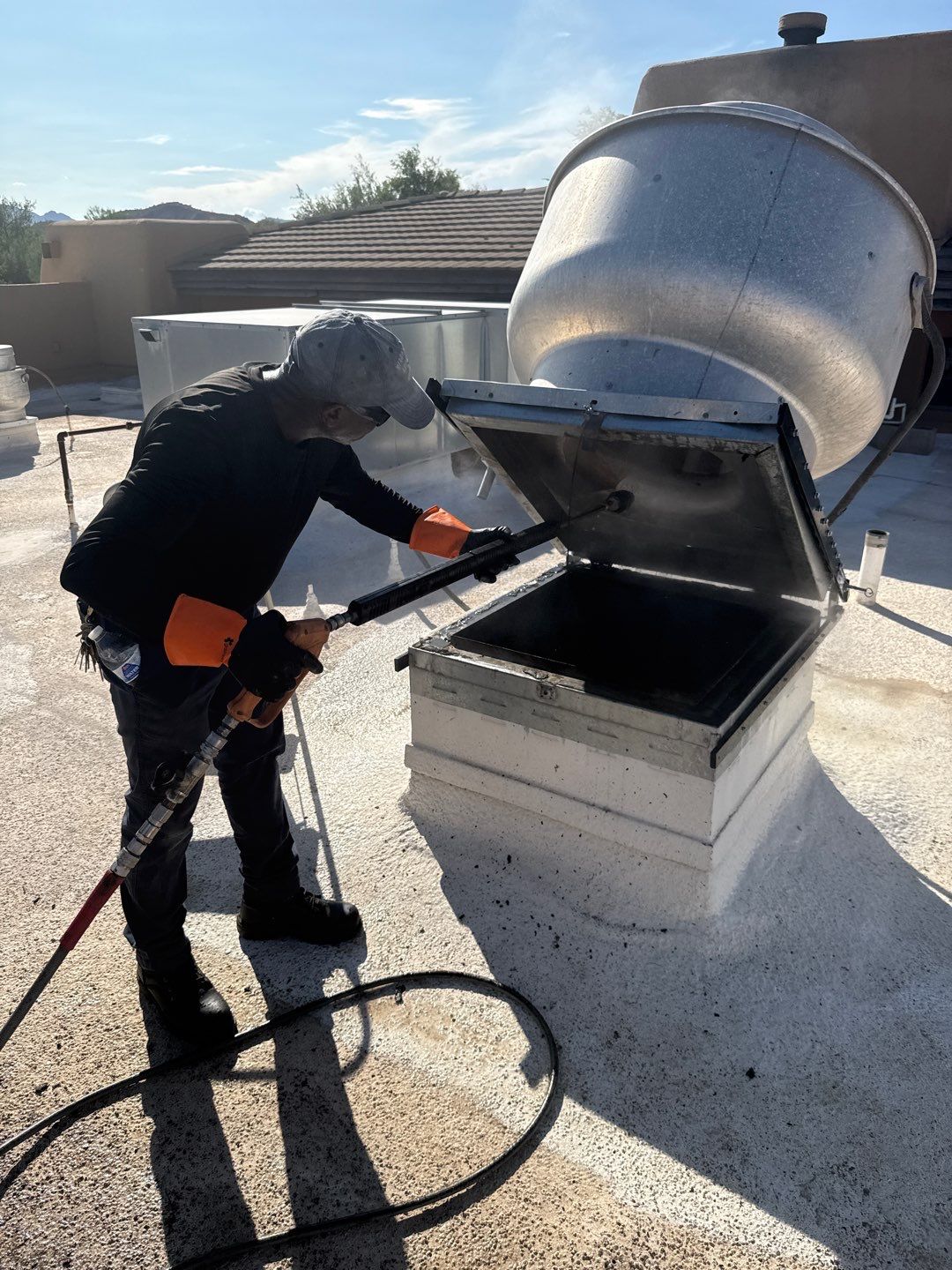
After scraping away all that gunk comes perhaps the most exhilarating part of the process: power washing! High-pressure hot water jets are unleashed across every inch of your exhaust system. The force of this cleaning action not only washes away loosened debris but also sanitizes surfaces, offering peace of mind that your kitchen is ready for culinary adventures.
As we near the finish line, a final inspection is carried out to ensure no traces of grease persist. Inspecting with keen eyes and specialized tools ensures everything meets health standards. If necessary, any remaining marks can be polished away for that pristine finish, resulting in a gleaming hood that looks as good as new. The transformation often leaves clients amazed at their once dull hoods shining brightly in their kitchens, highlighting the improved appearance.
Step | Action | Equipment Used |
Inspection | Initial Assessment | Visual Tools |
Preparation | Securing Kitchen Area | Plastic Sheeting |
Degreasing | Application of Degreasing Agents | Chemical Solutions |
Scraping & Scrubbing | Manual Cleaning | Wire Brushes |
Power Washing | High-Pressure Cleaning | Industrial Power Washers |
Final Inspection | Polishing and Check | Soft Cloths, Inspection Tools |
Now that we've explored this meticulous cleaning process in detail, understanding how these practices align with health and safety regulations is essential for maintaining a compliant commercial kitchen. Regular maintenance, including the cleaning of kitchen exhaust systems and the exhaust fan, safeguards both functionality and compliance in a busy kitchen environment.
In Phoenix, AZ, ensuring compliance with health and safety codes is crucial for any restaurant or food service operation. This mandate stems from well-established standards designed to protect both workers and patrons.Among these, the NFPA 96 Standard specifically addresses fire safety requirements for commercial kitchens.
By adhering to this standard, establishments are taking essential steps to minimize fire hazards associated with cooking equipment, particularly through proper kitchen exhaust cleaning. This includes routine maintenance of the kitchen hood system, which encompasses the ventilation, duct, and fan components that are crucial for safe kitchen operations.
The importance of maintaining a clean exhaust system cannot be overstated, as regular cleaning is not just good business practice; it's a legal necessity that plays a critical role in fire prevention. Regular restaurant hood cleaning ensures that both the kitchen hood system and its associated parts, such as the duct and fan, are kept in optimal condition.
Regular cleanings prevent both minor nuisances and major hazards. According to a report from OSHA, businesses compliant with these guidelines see up to 70% fewer fire-related incidents. This statistic illustrates how implementing regular maintenance of your kitchen hood system can significantly reduce risk and create a safer working environment for all. Moreover, neglecting these responsibilities can lead to violations that result in costly fines or even temporary closures, not to mention the potential damage to your reputation within the community.
Knowing the compliance standards is important, but it raises another question: how often should you schedule these cleaning services? While it can vary based on kitchen activity and specific local regulations, industry best practices suggest scheduling professional restaurant hood cleaning at least once every three months. However, if your establishment experiences heavy cooking or uses fryer equipment extensively, you may need monthly services to ensure thorough cleanliness of the ventilation system.
I highly recommend keeping a record of all cleaning schedules and maintaining documentation for inspections. Not only will this help you stay organized, but having a paper trail demonstrates diligence during inspections, which could save you from unexpected hassles later.
Adopting these practices promotes not only compliance but also safety, paving the way for an organized approach to maintenance that ensures peace of mind for both staff and customers alike.
Determining how often you should clean your kitchen exhaust system hinges on the volume of cooking you do, the type of cuisine you serve, and the specific needs of your establishment.
For instance, in high-volume kitchens where grease builds up rapidly—think bustling restaurants frying up delicious crispy dishes like chicken wings or doughnuts—monthly or even bimonthly cleanings are advisable. This frequency helps prevent grease buildup that could pose fire hazards and ensures that your kitchen operates smoothly, with a fully functional kitchen hood system.
In these environments, being proactive about maintenance is crucial. As grease accumulates quickly, it can affect air quality and compromise the performance of vital equipment, leading to inefficiencies that drive up costs. Regular cleanings, including the maintenance of the ventilation duct and fan, mean fewer surprises at inspection time, saving your staff time and ensuring customer safety.
Moving on to moderate-volume kitchens, such as family diners or cafés with steady but not relentless traffic, a quarterly cleaning schedule typically suffices. This interval balances cleanliness without overwhelming small teams. Establishments with a moderate grease output benefit from this rhythm as it allows for attention to detail while accommodating busy service periods.
Finally, let’s consider low-volume kitchens, like those found in smaller cafes or bakeries. These establishments might find that semi-annual cleanings keep their exhaust systems operating efficiently without diverting too much time away from daily operations. Careful attention to restaurant hood cleaning schedules ensures that the kitchen hood system functions at its best, protecting your establishment from potential fire hazards.While food preparation may not be as intensive here, maintaining a clean environment remains essential to uphold quality standards and support overall health regulations. It's imperative to filter out inadequate practices to ensure the best results, which include regular maintenance and keen attention to detail.
Adhering to these tailored schedules ensures compliance with local health codes and significantly extends the life of your kitchen exhaust system. Clean systems function more effectively and drastically reduce fire risks associated with grease buildup. Inadequate maintenance may lead to costly repairs down the road — something no business owner wants to face, especially concerning the efficiency of their air cleaners.
With a robust cleaning schedule in place for your kitchen's needs, the next essential aspect is identifying a trustworthy provider who can deliver consistent service effectively. Their customer service is crucial in establishing a seamless, productive relationship that benefits your operations.
Selecting the right hood cleaning service is a critical decision that can safeguard your business and ensure compliance with health and safety regulations. You are looking for a partner in maintaining a clean and safe kitchen environment, and this partnership starts with doing your homework. One of the first things to consider is verifying licenses and certifications. Companies like Aim Hood Cleaning proudly showcase multiple accreditations, which signify their commitment to industry standards and safety regulations. This level of assurance is particularly important if you want to avoid fines or shutdowns due to non-compliance. A positive customer service experience can often be the filter that helps you decide which company best matches your needs.
It doesn’t stop at licenses. Establishing credibility through customer feedback is equally vital. Reading testimonials or asking for references can provide insight into their service quality and reliability. Perhaps you’re wondering how effective their services truly are? A Phoenix restaurant manager once said, “Choosing a certified service provider like Aim Hood Cleaning saved us from compliance issues multiple times.” A quote like this exemplifies how customer experiences can guide you towards making an informed choice about whom to partner with.
Checking for service logs is another smart move. When companies maintain detailed records of past work, it reflects their professionalism and organization. It provides peace of mind because you can see exactly when they last cleaned your system, how thorough the cleaning was, and whether they followed safety protocols. This is an important ingredient in ensuring ongoing compliance and efficiency.
You might hear some chefs argue that an in-house team could manage hood cleaning, but this usually overlooks a crucial element: expertise. Internal staff often lack specialized equipment designed for deep cleans and don’t have the extensive training that professional services possess. When it comes to fire protection scenarios, having that depth of knowledge can make all the difference between minor upkeep and severe risk mitigation.
Ultimately, selecting the best provider doesn't just ensure cleanliness—it establishes long-term safety practices within your kitchen. This leads directly to peace of mind as you focus on what’s most important: running your restaurant smoothly while protecting your assets and patrons alike. Always remember that cutting corners on maintenance may lead to larger headaches down the road, so choose wisely when hiring a hood cleaning service and prioritize good customer service from start to finish.
In making your choice, prioritize providers who reflect clear commitment to quality and safety. Your restaurant's success hinges on these partnerships, ensuring vibrant operations and protection for everyone involved.
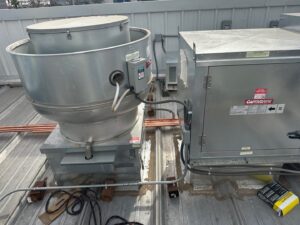
High Tide offers a comprehensive range of kitchen exhaust services to ensure the safety and efficiency of commercial kitchens.
Our services include hood installation and thorough cleaning of kitchen hoods, ducts, and exhaust fans to remove grease buildup and prevent fire hazards. We also provide inspections to assess compliance with local NFPA safety regulations
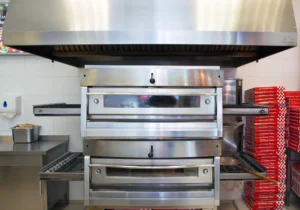
Our commercial oven cleaning technicians specialize in providing thorough and professional cleaning services for pizza chain conveyor ovens. Our services often include deep cleaning of hoods, vents, and filters to comply with NFPA and local fire safety guidelines.
By maintaining a clean oven environment, we help businesses prolong the lifespan of their equipment while promoting a safer cooking space for staff and customers alike.
The Phoenix Metropolitan Area is a vibrant tourist destination that stretches over 50 miles along the Arizona desert.
Phoenix is located in the Salt River Valley in Maricopa County, Arizona, surrounded by mountains in the Sonoran Desert. The Valley of the Sun is an expansive metropolitan region in Arizona's central landscape, known for its year-round warm climate and desert vistas.
The Hohokam peoples originally occupied the region for more than 1,000 years, creating roughly 135 miles of sophisticated irrigation canals that made the arid desert landscape habitable. They eventually left due to extended droughts and severe floods. Phoenix was officially incorporated in 1881, with the modern city's founders rebuilding irrigation systems along the paths of the ancient Hohokam canals. Phoenix was selected as the Arizona State Capitol in 1901. Today, the city is home to over 1.6 million residents, making it one of the largest cities in the United States.
The nickname "Valley of the Sun" derives from its location in a valley surrounded by mountains and its abundant year-round sunshine. The city is surrounded by the McDowell Mountains to the northeast, the White Tank Mountains to the west, the Superstition Mountains to the east, and the Sierra Estrella to the southwest.
Nearby communities like Tempe, Scottsdale, and Mesa offer preserved architecture and historic sites that enrich understanding of the region's past.
Phoenix is surrounded by natural wonders spanning hundreds of square miles. The Desert Botanical Garden features thousands of native desert plants and stunning desert flora, where you can observe towering saguaro cacti and spot native bird species.
The Phoenix Museum of Natural History offers exhibits featuring prehistoric Arizona ecosystems and Ice Age animals, celebrating the Hohokam civilization that once thrived in the valley.
The Phoenix area boasts over 200 championship golf courses designed by legendary architects. We-Ko-Pa Golf Club, owned by the Fort McDowell Yavapai Nation, features two 18-hole courses set in the Sonoran Desert. The Boulders Golf Club showcases dramatic rock formations and sweeping vistas. Papago Golf Club, nestled in Papago Park just under two miles from Sky Harbor International Airport, offers stunning Papago Buttes framing every fairway.
The Desert Botanical Garden features thousands of native desert plants among striking desert landscapes. Papago Park offers scenic overlooks and hiking trails with saguaro cacti, local wildlife, and panoramic desert vistas.
The Oasis Water Park at Arizona Grand Resort & Spa features seven acres including 8-story thrill slides, a giant wave pool, and an active river. Six Flags Hurricane Harbor Phoenix offers additional water slides and refreshing pools. The Salt River offers kayaking and leisurely float trips through desert landscapes.
Six Flags Hurricane Harbor Phoenix delivers water park entertainment with numerous water slides, play areas, wave pools, and lazy rivers. The Phoenix Museum of Natural History features hands-on exhibits exploring Arizona's natural past. The Heard Museum celebrates Native American art and culture with an impressive collection of artifacts and contemporary works.
Downtown Phoenix is ideal for family strolls, featuring shops, galleries showcasing Arizona artists, and restaurants serving cuisine from around the world. The Oasis Water Park and Six Flags Hurricane Harbor Phoenix feature attractions catering to all ages.
Phoenix has thousands of restaurants serving authentic Arizona cuisine and international options. Downtown Phoenix stands out as a premier destination for nightlife with clubs, bars, and venues playing live music from local and well-known artists. Old Town Scottsdale offers vibrant nightlife with upscale venues and entertainment options.
Hard Rock Café Phoenix offers cuisine and hosts live performances from talented musicians. The Herberger Theater Center, Arizona Theatre Company, and the Orpheum Theatre present Broadway-style musicals, contemporary plays, and stand-up comedy acts.
Phoenix offers accommodations ranging from luxury resorts like The Phoenician and The Wigwam to budget-friendly options. Resort properties feature desert landscaping and full-service spas.
Arizona Mills Mall offers brand-name discounts. Scottsdale Fashion Square features designer shops, contemporary fashion, and luxury jewelry. Westgate Entertainment District offers retailers and restaurants in a mixed-use development.
Boutiques throughout Phoenix and Old Town Scottsdale feature Arizona-made crafts, Native American art, and desert-inspired décor.
Phoenix offers something for everyone, from world-class golf courses framed by iconic saguaros to thrilling water parks, cultural attractions to vibrant nightlife. Enjoy your Valley of the Sun adventure!
Phoenix AZ ZIP codes include: 85001, 85002, 85003, 85004, 85005, 85006, 85007, 85008, 85009, 85010, 85011, 85012, 85013, 85014, 85015, 85016, 85017, 85018, 85019, 85020, 85021, 85022, 85023, 85024, 85026, 85027, 85028, 85029, 85030, 85031, 85032, 85033, 85034, 85035, 85036, 85037, 85038, 85039, 85040, 85041, 85042, 85043, 85044, 85045, 85046, 85048, 85050, 85051, 85053, 85054, 85055, 85060, 85061, 85063, 85064, 85065, 85066, 85067, 85068, 85069, 85070, 85071, 85072, 85073, 85074, 85075, 85076, 85078, 85079, 85080, 85082, 85083, 85085, 85086, 85087, 85097, 85098, 85099, and 85392 (partial overlap with Avondale and Goodyear).
Mesa AZ ZIP codes include: 85201, 85202, 85203, 85204, 85205, 85206, 85207, 85208, 85209, 85210, 85211, 85212, 85213, 85214, 85215, 85216, 85274, 85275, 85277, and 85290.
Chandler AZ ZIP codes include: 85224, 85225, 85226, 85244, 85246, 85248, 85249, and 85286.
Gilbert AZ ZIP codes include: 85233, 85234, 85295, 85296, 85297, and 85298.
Glendale AZ ZIP codes include: 85301, 85302, 85303, 85304, 85305, 85306, 85307, 85308, and 85310.
Scottsdale AZ ZIP codes include: 85250, 85251, 85252, 85253 (shared with Paradise Valley area), 85254, 85255, 85256, 85257, 85258, 85259, 85260, 85261, 85262, 85263, 85264, 85266, 85267, and 85271.
Tempe AZ ZIP codes include: 85280, 85281, 85282, 85283, 85284, 85285, and 85287.
Peoria AZ ZIP codes include: 85345, 85380, 85381, 85382, 85383, and 85385.
Surprise AZ ZIP codes include: 85374, 85378, 85379, 85387, and 85388.
Avondale AZ ZIP codes include: 85323 and 85392.
Goodyear AZ ZIP codes include: 85326, 85338, 85340, and 85395.
Buckeye AZ ZIP codes include: 85326, 85340, 85361, and 85396.
Apache Junction AZ ZIP codes include: 85119 and 85120.
Maricopa AZ ZIP codes include: 85138 and 85139.
Casa Grande AZ ZIP codes include: 85122, 85130, 85193, and 85194.
Fountain Hills AZ ZIP codes include: 85268 and 85269.
Paradise Valley AZ ZIP codes include: 85253.
Carefree AZ ZIP codes include: 85377.
Cave Creek AZ ZIP codes include: 85331.
Litchfield Park AZ ZIP codes include: 85340.
Tolleson AZ ZIP codes include: 85353.
Wickenburg AZ ZIP codes include: 85358 and 85390.
El Mirage AZ ZIP codes include: 85335.
Gila Bend AZ ZIP codes include: 85337.
Guadalupe AZ ZIP codes primarily share with Tempe and include: 85283.
Sun City AZ ZIP codes include: 85351 and 85373.
Sun City West AZ ZIP codes include: 85375 and 85376.
Youngtown AZ ZIP codes include: 85363.
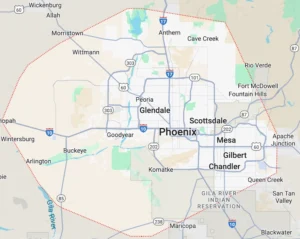
Phoenix · Scottsdale · Mesa · Avondale · Peoria · Glendale · Buckeye · Surprise · El Mirage · Goodyear · Tolleson · Litchfield Park · Sun City · Sun City West · Tonopah · Waddell
Copyright © 2026 AimHoods.com | Aim Power Washing, LLC - All Rights Reserved.